

TRUNG TÂM NGHIÊN CỨU VÀ ĐÀO TẠO PHÁT TRIỂN CỘNG ĐỒNG
RESEARCH AND TRAINING CENTRE FOR COMMUNITY DEVELOPMENT (RTCCD)
TRUNG TÂM NGHIÊN CỨU VÀ ĐÀO TẠO PHÁT TRIỂN CỘNG ĐỒNG
RESEARCH AND TRAINING CENTRE FOR COMMUNITY DEVELOPMENT (RTCCD)
6/01/2026 - 11:18 am
0
On 4 January 2026, the Research and Training Centre for Community Development, in collaboration with the Vietnam General Confederation of Labour and the Thanh Hoa Provincial Federation of Labour, organised the programme “Interactive Parent–Child Day”—focusing on adolescents aged 10 to 18—at Kalebo Company, Thanh Hoa province. The programme was a practical initiative aimed at supporting […]


On 4 January 2026, the Research and Training Centre for Community Development, in collaboration with the Vietnam General Confederation of Labour and the Thanh Hoa Provincial Federation of Labour, organised the programme “Interactive Parent–Child Day”—focusing on adolescents aged 10 to 18—at Kalebo Company, Thanh Hoa province.
The programme was a practical initiative aimed at supporting the mental well-being of union members and workers, while promoting family values and strengthening parent–teenager relationships in the context of industrial zone employment.
The activity was implemented as part of the No-VAC Project, “Together for Change: Creating a Violence-Free Environment for Children of Industrial Zone Workers in Thanh Hoa Province”, funded by the United Nations Fund (UNF) and the Canada Fund for Local Initiatives (CFLI), and officially approved for aid receipt under Decision No. 884/QĐ-LHHVN dated 3 November 2025.
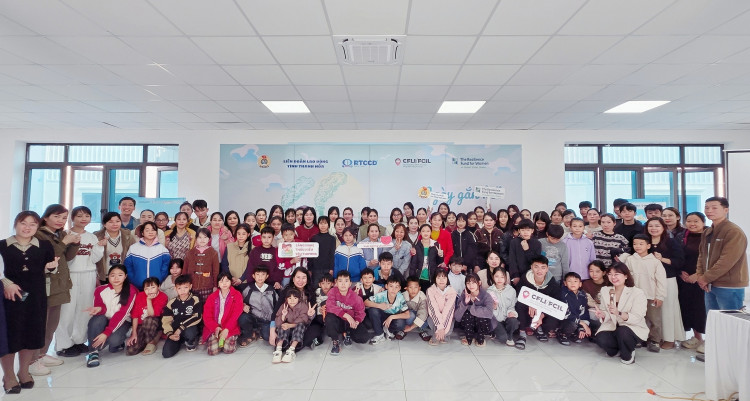
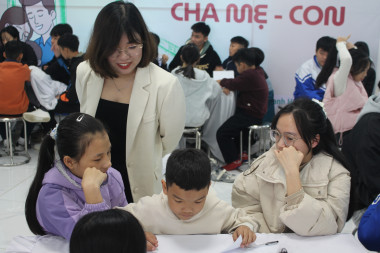
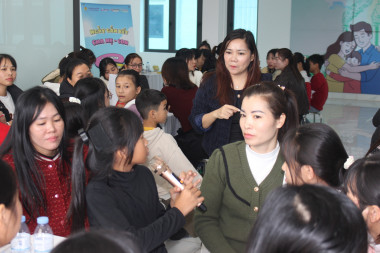
The programme brought together nearly 100 parents and children aged between 10 and 18. The sessions were facilitated by Ms. Nguyen Da Dan Trang, MSc in Social Work, and Ms. Nguyen Phuong Thao, who provided direct guidance and shared practical insights with the participants.
|
|
The activities focused on helping children feel a sense of belonging, respect and having a voice within their families. Children were encouraged to recognise and understand their own emotions, fostering greater empathy towards their parents. At the same time, parents were supported in identifying and managing difficult emotions in their children, enabling more effective and positive communication within the family.
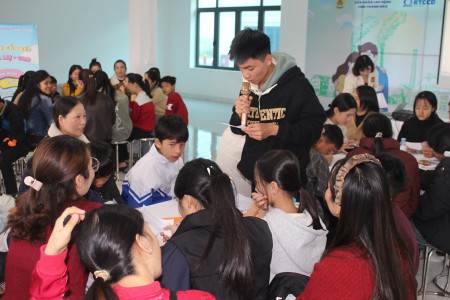
The programme was structured with parallel sessions for children and parents during the morning, followed by joint activities for families later in the day.
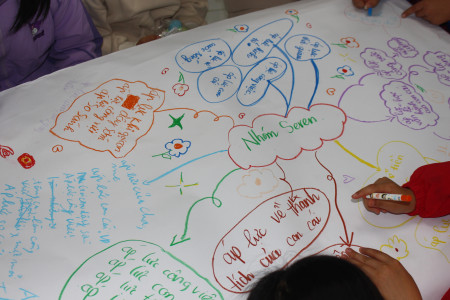
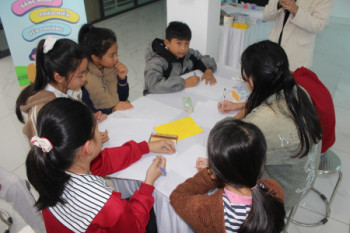
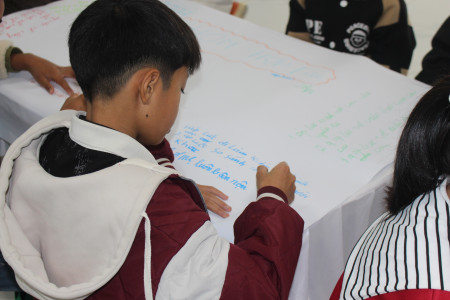
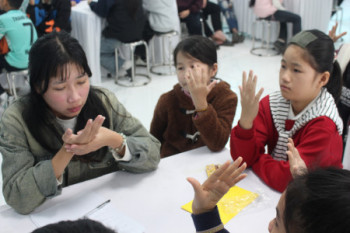
For children, ice-breaking games, group activities and emotional awareness exercises—using tools such as colour cards, emotion wheels and experiential games—helped them understand the link between emotions, thoughts and behaviour, as well as the consequences of poor emotional regulation.
 |
 |
 |
 |
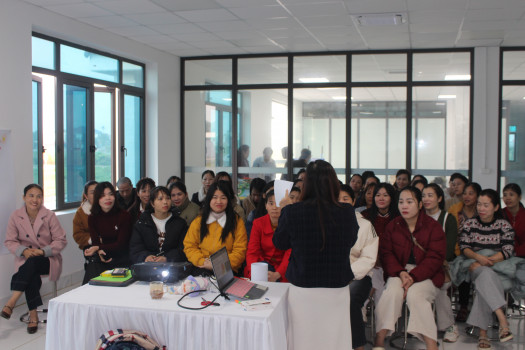
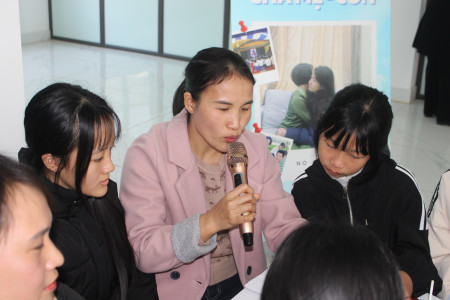
Meanwhile, parents took part in interactive activities and a thematic session on “Communicating with Teenagers”, which introduced the principles of “five dos and four don’ts” in parent–child communication. The session also addressed common misunderstandings surrounding children’s challenging behaviours, encouraging parents to adopt more respectful, patient and attentive approaches.
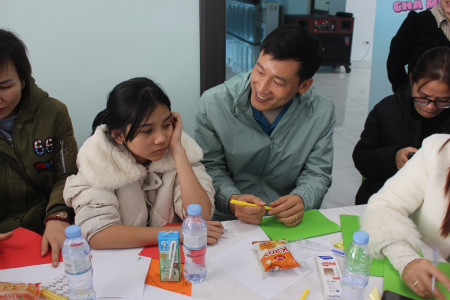
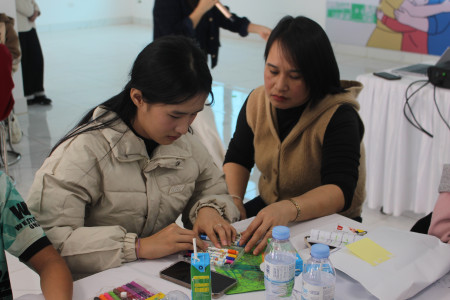
After a short break, joint parent–child activities were held, including physical games, knowledge reviews and a mini workshop on “The Five Love Languages”. Through group discussions, quizzes and written messages exchanged between parents and children, families were able to reflect on different ways of expressing affection, leading to greater understanding and emotional connection.
 |
 |
 |
 |
The programme concluded with a summary session and the shared message: “Listening – Understanding – Loving.”
Many parents expressed appreciation for the programme’s practical value. One parent commented: “The most important lesson for me is learning to listen and share more, so that I can better understand my child.”
Children also responded enthusiastically. One participant said: “The session was fun and very meaningful. I understand my parents’ hard work better now, and I will talk to them more when I get home.”
The “Interactive Parent–Child Day” at Kalebo Company, Thanh Hoa province has contributed to improving parenting skills, raising awareness of emotional well-being, and promoting a positive and sustainable family environment for workers in industrial zones.