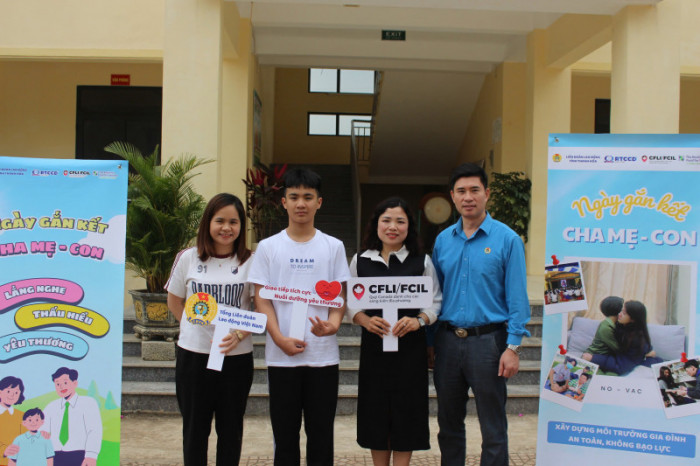
On January 18, 2026, the Research and Training Centre for Community Development (RTCCD), in coordination with the Vietnam General Confederation of Labour and the Thanh Hoa Provincial Federation of Labour, organized the Parent–Child Bonding Day at S&H Vina Co., Ltd. (Thanh Hoa), attracting nearly 100 parents who are union members and workers, along with their children aged 10–18.
The activity was implemented as part of the No-VAC Project, “Together for Change: Creating a Violence-Free Environment for Children of Industrial Zone Workers in Thanh Hoa Province [1]”, funded by the United Nations Fund (UNF) and the Canada Fund for Local Initiatives (CFLI).
The program is a practical initiative aimed at improving the mental well-being of workers, while contributing to building positive, safe, and sustainable family environments in industrial zones.
 [2]
[2]
Strengthening family bonds among workers – an urgent need from practice
Amid the pressures many working-class families face in making a living and the limited time available for their children, the generational gap between parents and their teenage children has become increasingly evident. Teenagers are more likely to experience emotional stress and lack a safe space to be heard, while parents often struggle with communication and managing their children’s “challenging” behaviors.
 [3]
[3]
In response to this reality, the Parent–Child Bonding Day, organized by RTCCD in collaboration with the Vietnam General Confederation of Labour and the Thanh Hoa Provincial Federation of Labour, was designed to:
- Enhance understanding and emotional connection between parents and children in worker families.
- Ensure that teenagers are respected, listened to, and have a voice within the family, while gradually improving their ability to recognize and manage emotions.
- Support parents in strengthening communication skills, particularly when engaging with teenage children.
- Contribute to building positive, healthy, and sustainable family environments, thereby improving the quality of workers’ mental well-being.
Activities tailored to each target group
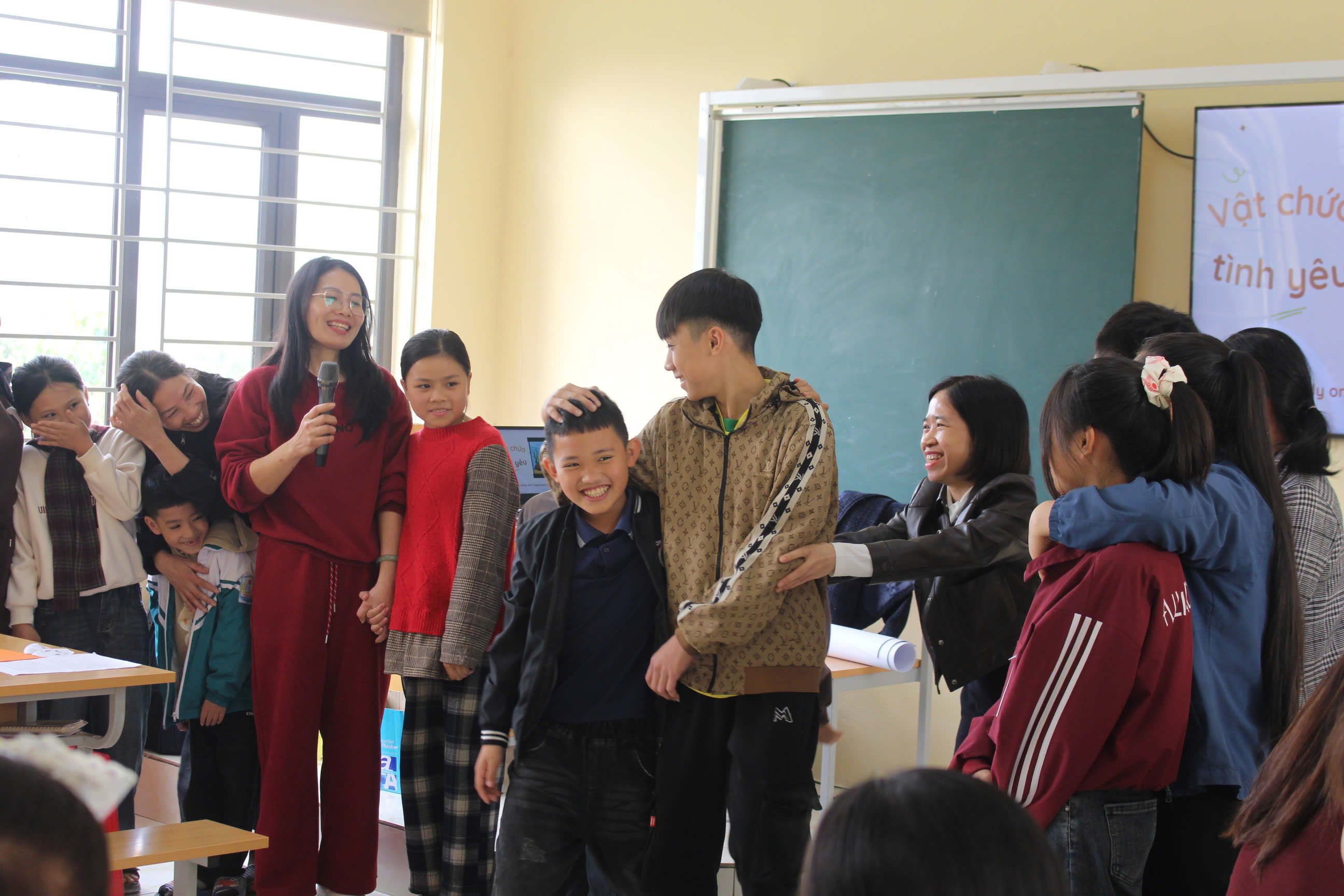
The program was implemented using a combined model, including separate activities for parents, separate activities for children, and joint activities for the whole family, ensuring that each group had an appropriate and meaningful experiential space.
Teenagers learn to understand and name their emotions
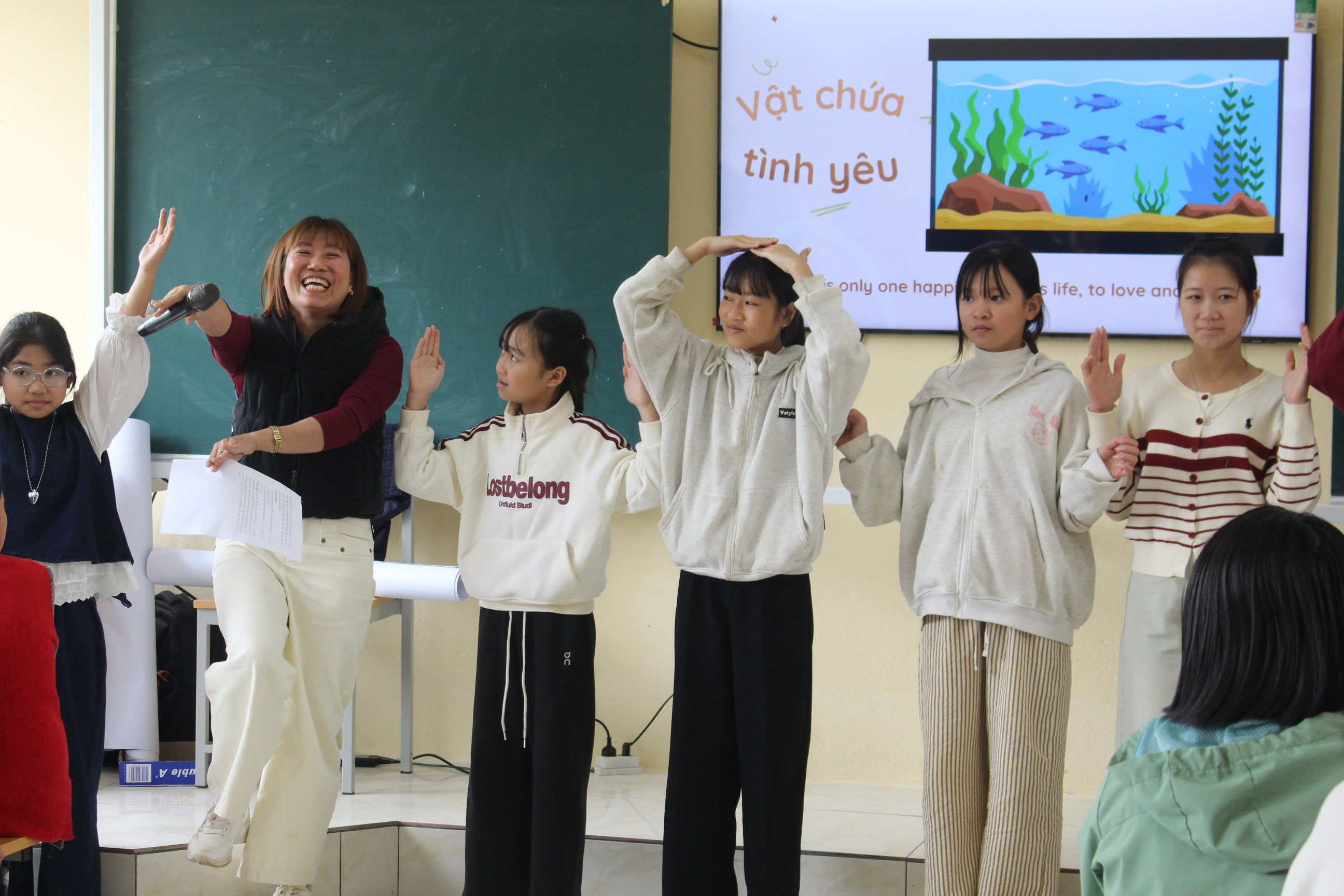
In sessions designed specifically for children aged 10–18, participants engaged in warm-up activities, group interactions, and experiential games. Through visual tools such as emotion cards, “emotion cups,” and real-life scenarios, they were guided to:
- Identify their emotional states.
- Understand the relationship between emotions, thoughts, and behaviors.
- Recognize the consequences of poor emotional regulation.
- The activities were designed to be engaging and safe, encouraging teenagers to confidently express their thoughts and feelings in a positive manner.
 [4]
[4]
Parents equipped with communication skills for interacting with teenagers
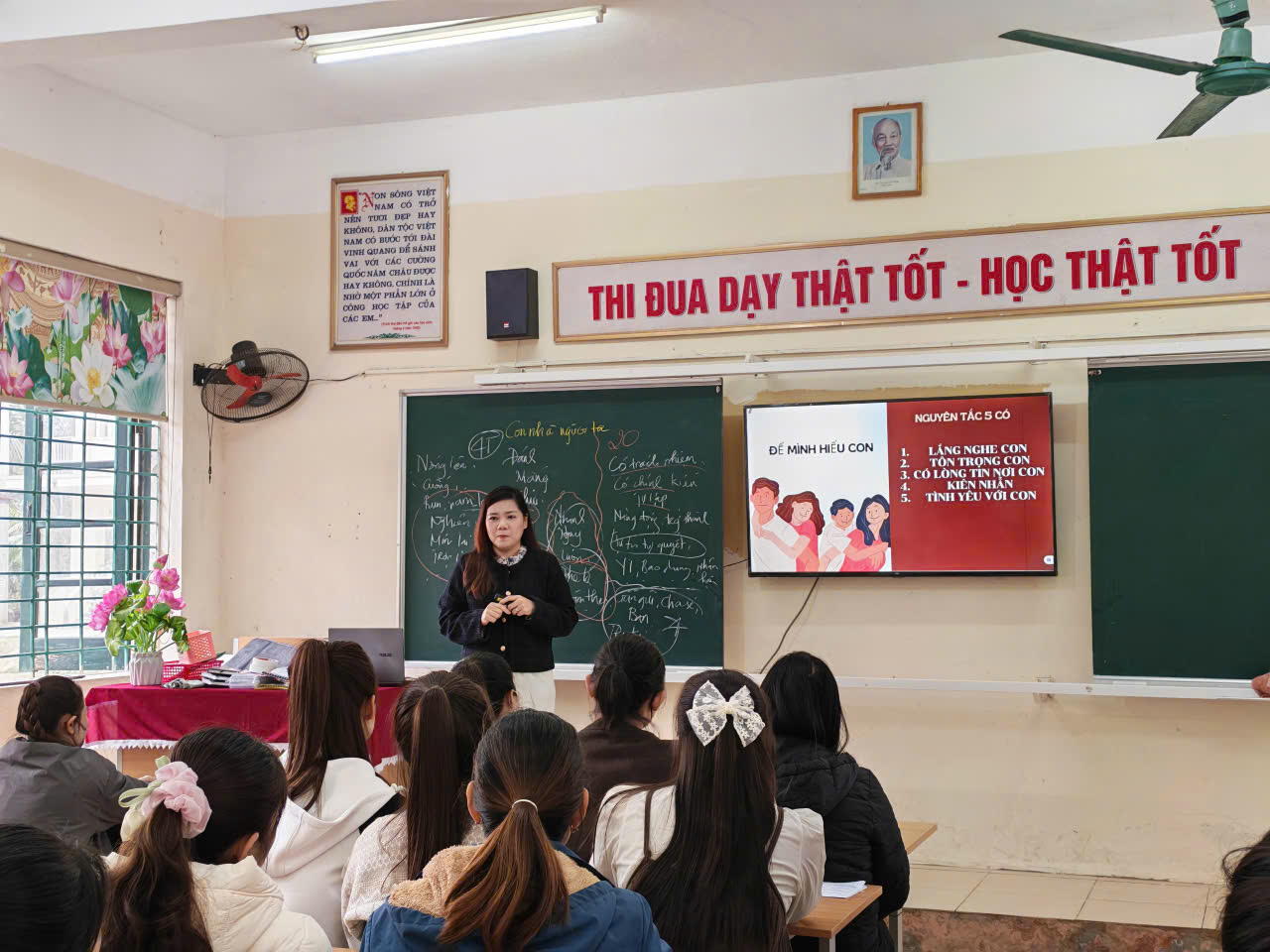
Alongside the children’s sessions, parents participated in a thematic discussion on “How to Communicate with Teenagers”, facilitated by the program’s trainers and coordinators.
Key contents included:
- The “5 Do’s and 4 Don’ts” principles in parent–child communication.
- Identifying common misunderstandings parents may have regarding their children’s behaviors.
- Adjusting communication styles toward a more positive approach based on respect and active listening.
Through open discussions and practical examples, parents were encouraged to reflect on their communication styles and adopt more effective ways of supporting and accompanying their children.
 [5]
[5]
Meaningful bonding moments through joint activities
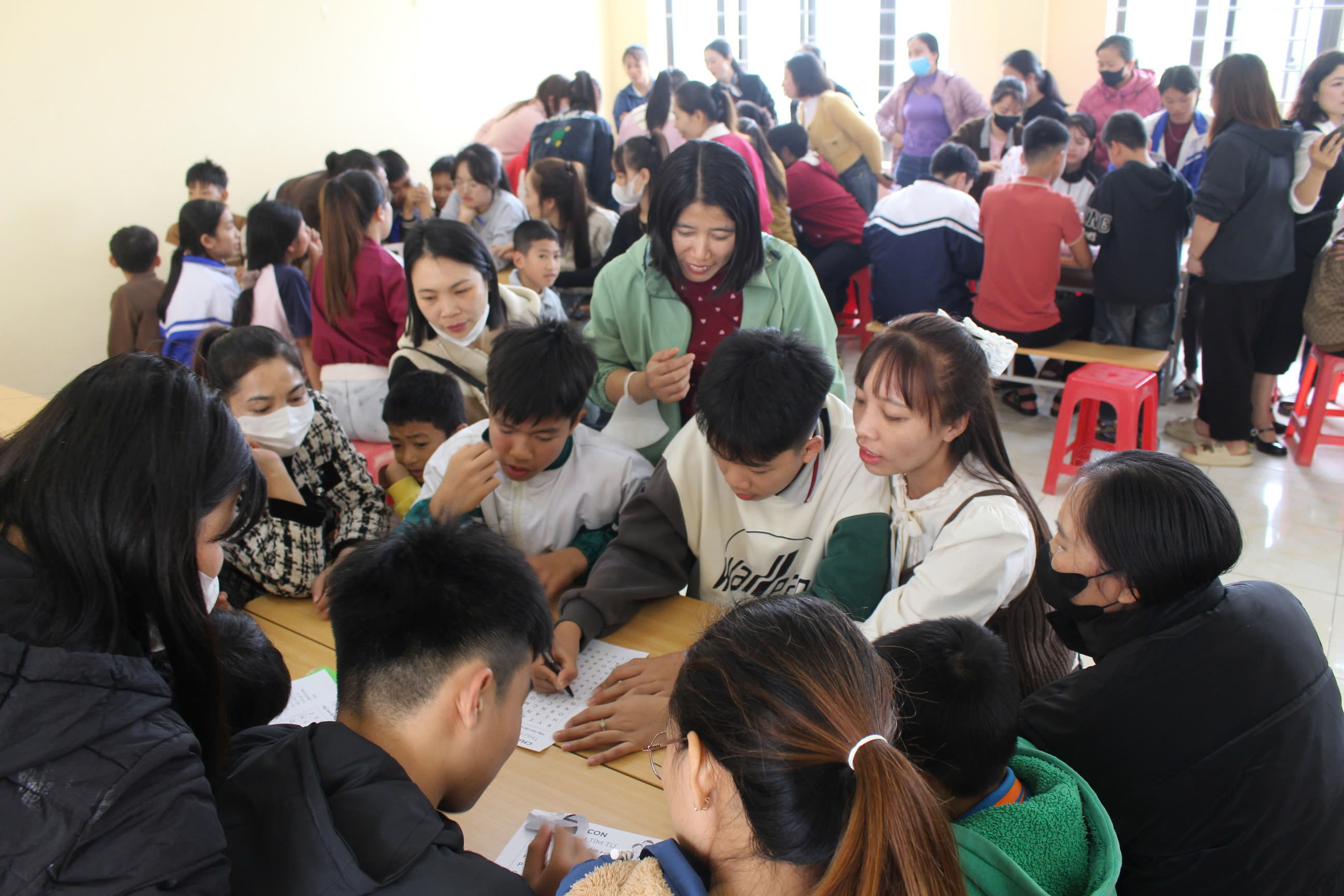
The joint session was the highlight of the program, featuring physical games, knowledge review activities, and a mini workshop on the “Five Love Languages.” Through group activities, interactive challenges, and message-writing exercises, parents and teenagers had the opportunity to:
- Recognize how they express and receive love.
- Share thoughts and feelings that are often difficult to express in daily life.
- Strengthen emotional connection and mutual understanding within the family.
- Many families participated together in such interactive activities for the first time, creating a warm and intimate atmosphere.
 [6]
[6]
The effectiveness of active participation is evident
- At the end of the program, nearly 100 parents and children actively participated, interacting enthusiastically throughout the activity.
- Children are initially better able to recognize their own emotions and understand and empathize with their parents more.
- Parents improve their awareness and communication skills with their teenage children, especially listening and companionship skills.
- The message “Listen – Understand – Love” is spread clearly and consistently.
One parent shared: “After today’s activity, I will listen to my child more actively. Listening isn’t just about receiving information; it’s about understanding and helping your child feel confident and open.”
One student expressed: “Today is a lot of fun because I get to participate in activities with my parents. I hope there will be more activities like this.”
Contributing to building safe and positive families in industrial zones
The Parent–Child Bonding Day at S&H Vina Co., Ltd. demonstrates the effectiveness of initiatives that care for the mental well-being of workers. The program provides worker families with valuable opportunities to connect, understand one another, and build positive, sustainable parent–child relationships.