
TRUNG TÂM NGHIÊN CỨU VÀ ĐÀO TẠO PHÁT TRIỂN CỘNG ĐỒNG
RESEARCH AND TRAINING CENTRE FOR COMMUNITY DEVELOPMENT (RTCCD)
TRUNG TÂM NGHIÊN CỨU VÀ ĐÀO TẠO PHÁT TRIỂN CỘNG ĐỒNG
RESEARCH AND TRAINING CENTRE FOR COMMUNITY DEVELOPMENT (RTCCD)
12/06/2026 - 4:08 pm
0
On June 3 and 4, a group of Psychology and Psychoeducation students from Laval University (Canada) participated in a study visit and practical learning experience at The Rehabilitation Center for Persons with Disabilities in Thuy An. The visit was organized under the collaboration program between RTCCD, Abroader Volunteer Organization, and Laval University (Canada), aiming to […]


On June 3 and 4, a group of Psychology and Psychoeducation students from Laval University (Canada) participated in a study visit and practical learning experience at The Rehabilitation Center for Persons with Disabilities in Thuy An.
The visit was organized under the collaboration program between RTCCD, Abroader Volunteer Organization, and Laval University (Canada), aiming to provide students with opportunities to gain practical exposure in the fields of psychology, special education, and support for children with special needs. Through hands-on learning activities in Vietnam, students not only enhanced their professional knowledge but also gained insights into different approaches and experiences in supporting children with disabilities across diverse cultural and social contexts. The activity also sought to collect assessment information necessary for RTCCD to develop future intervention projects that are responsive to the needs and living and learning conditions of children with disabilities, thereby contributing to the implementation of the “Program on Assistance for Persons with Disabilities for the Period 2021–2030” (Decision No. 1190/QD-TTg dated May 5, 2020, issued by the Prime Minister of Vietnam).
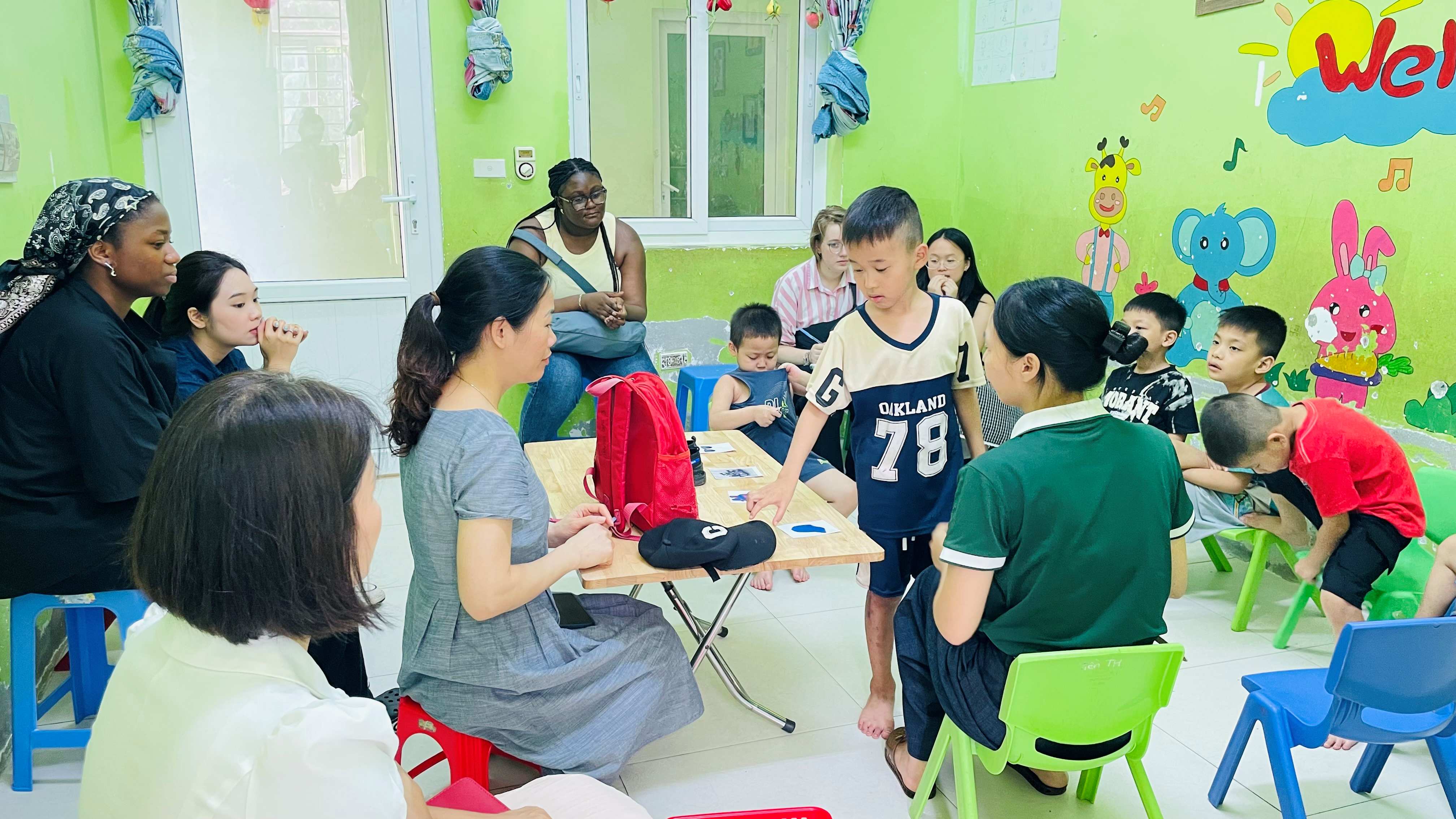
As part of the program, the students had the opportunity to observe and participate in a variety of educational and intervention activities designed for children with special needs at the Center. The group learned about classroom models for children with Attention-Deficit/Hyperactivity Disorder (ADHD) and children on the autism spectrum, visited early intervention classes, and observed individual one-on-one (1:1) sessions for children with special needs. Through these activities, the students gained first-hand exposure to the educational, support, and intervention approaches currently being implemented at the Center.
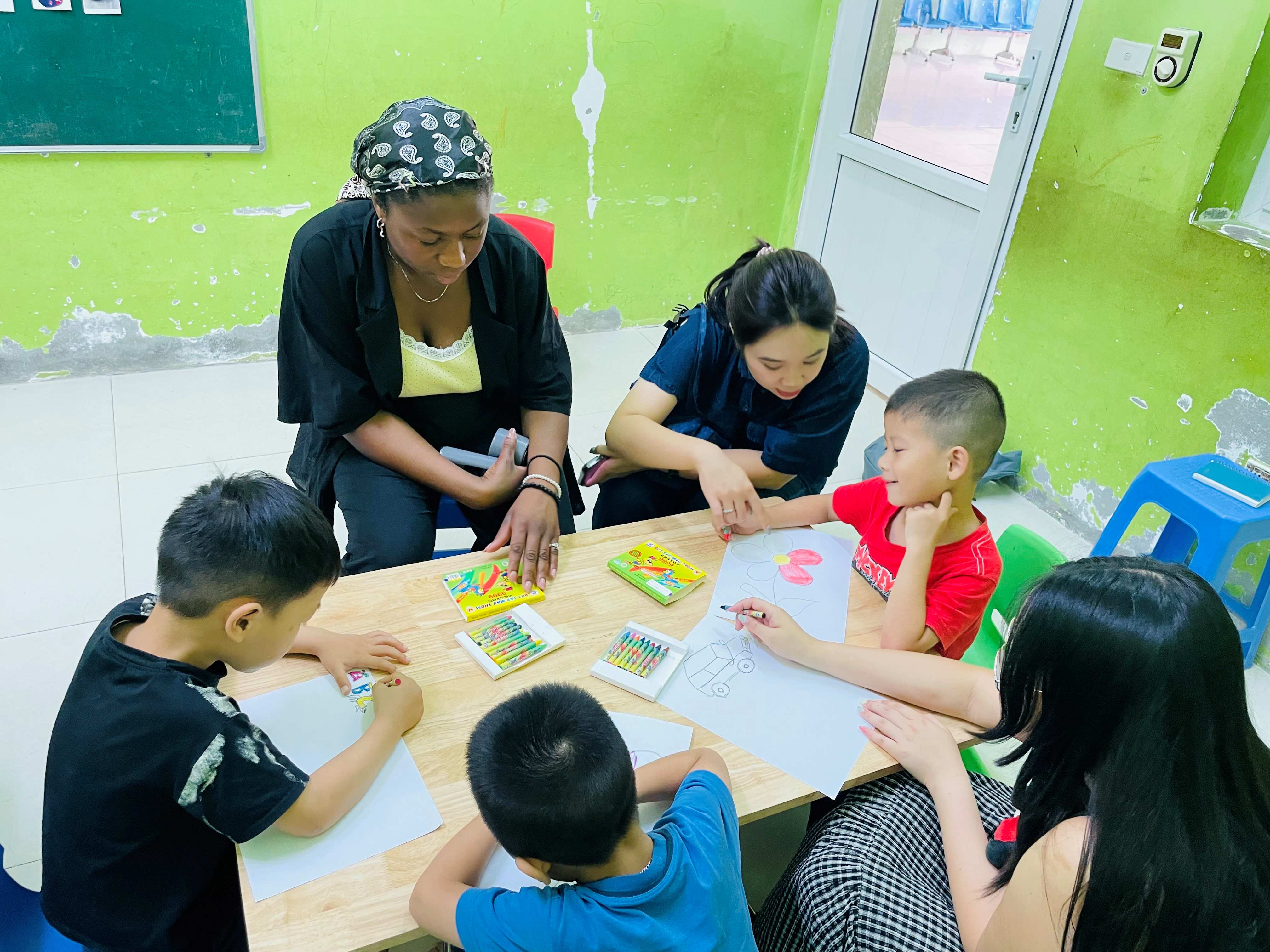
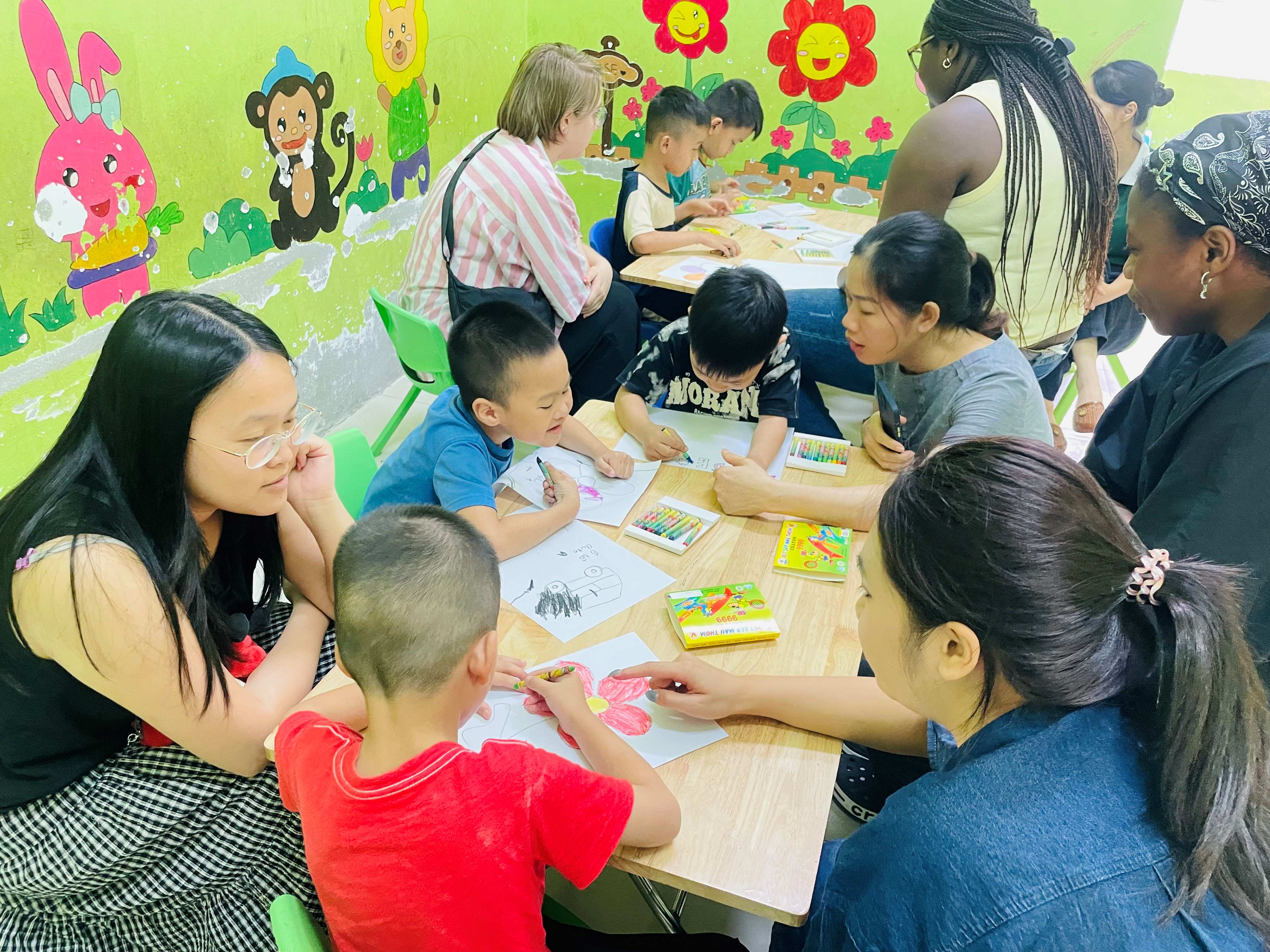
In addition to classroom activities, the students also participated in vocational guidance and skills training programs for persons with disabilities. They had the opportunity to experience activities such as sewing, handmade bag weaving, pyrography painting, and learn about vocational training processes, life skills development, and community integration opportunities available to the learners at the Center.
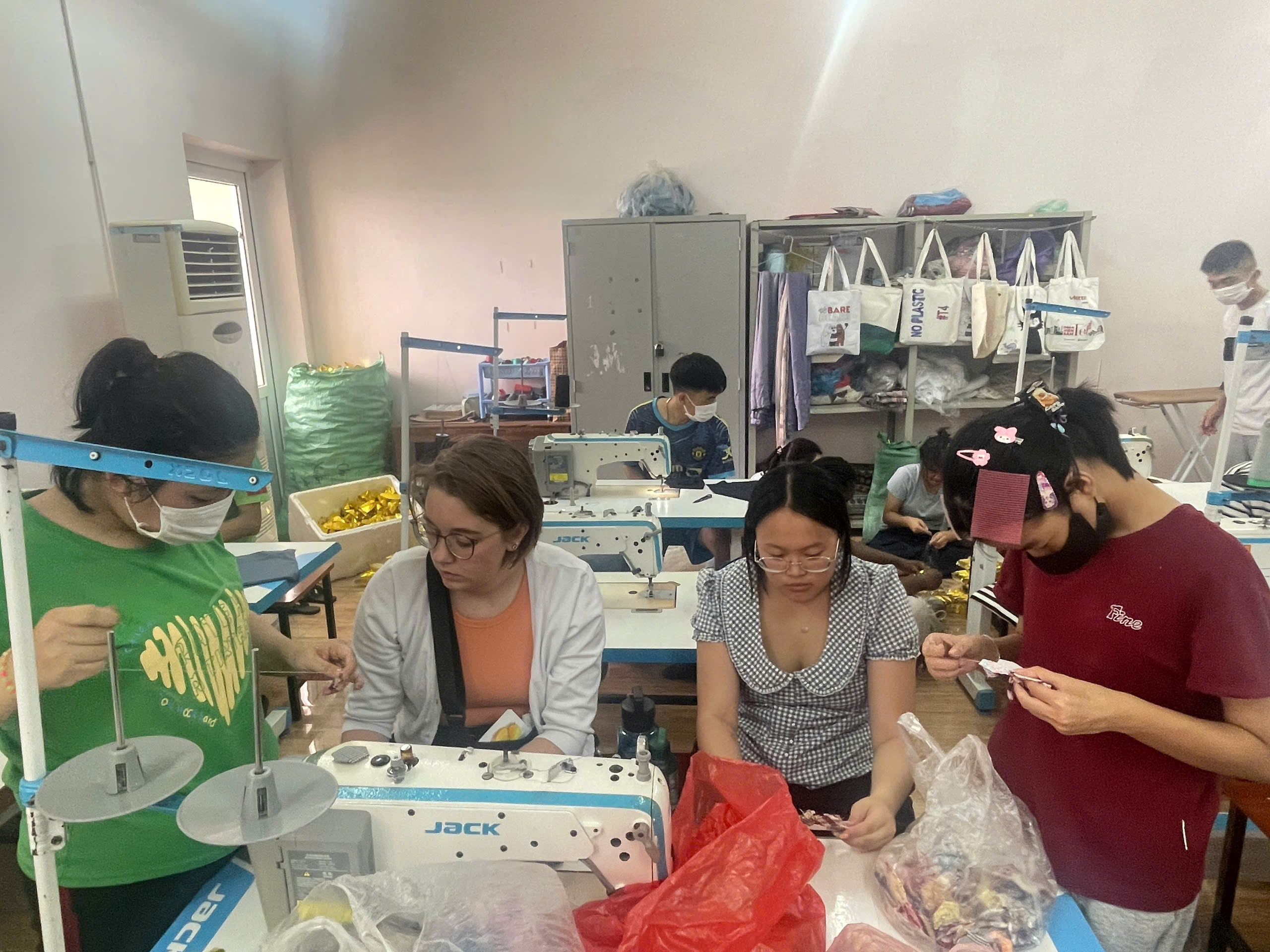
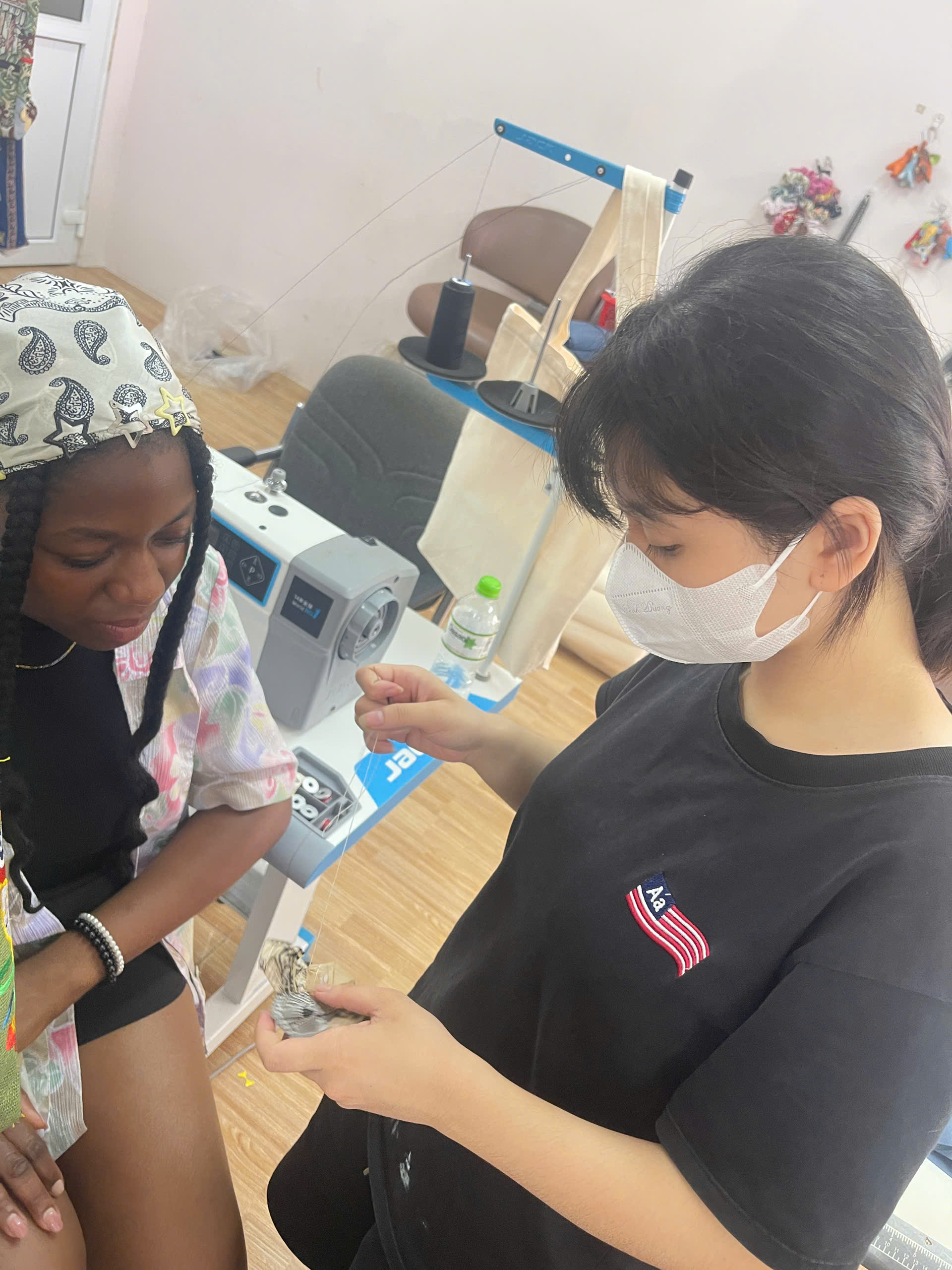
The student group also spent time engaging in direct conversations and exchanges with teachers and students at the Center. Through these discussions, they gained a deeper understanding of the realities of special education in Vietnam, including the advantages, challenges, and needs related to educating, supporting, and providing interventions for children with special needs. The visit also provided an opportunity for students to learn from the perspectives and experiences of teachers, professional staff, and students who study and live at the Center.
Rather than serving solely as observers, many students actively participated in activities alongside the children, assisted teachers in the classroom, joined recreational activities, created handicrafts, and interacted directly with the students. These close and meaningful experiences helped them better understand the lives, needs, and capabilities of children with disabilities, while providing valuable practical lessons that are difficult to obtain in a traditional classroom setting.
The visit not only provided valuable hands-on learning opportunities for the students but also deepened their understanding of the systems of support, education, and intervention available for children with special needs in Vietnam. At the same time, it created an opportunity to exchange perspectives, experiences, and practices in the fields of psychology, special education, and rehabilitation between international students and the Center’s professional staff.
Through observation, discussion, and practical experiences, the program contributed to strengthening intercultural understanding while creating opportunities for connection, learning, and knowledge sharing among educational institutions, organizations, and professionals working in the fields of disability support and services for children with special needs.